Journal of On Chain Art, Vol. 8, No. 8 | back to the population | part one
On the Necessity of Sixty Four Pixels
The Evolution Protocol
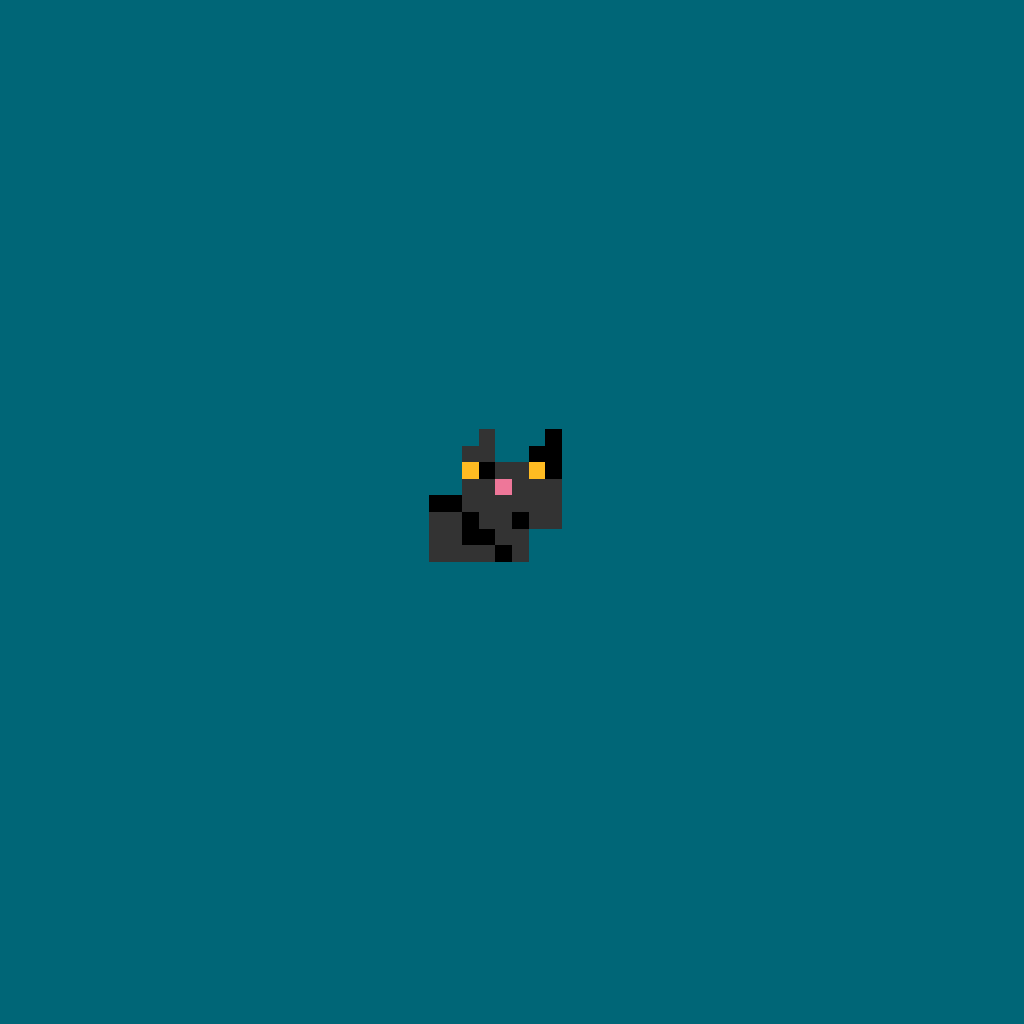
Fig. 1. The specimen, evolved. The same cat, four times the pixels.
Abstract
Part one of this work established that sixteen pixels constitute a cat. Part two asks what happens when a population evolves. We present 8x8 cat: 199 works at four times the resolution of their predecessors, of which editions 1 through 99 are not homages to the original 99 4x4 cats but ARE them, in the strictest sense available to mathematics: each derives its appearance from the mint address of its ancestor, through the same trait tables, rendered at the finer grain. The remaining 100 are new bloodlines. Distribution proceeds along three lanes, none of which involve human discretion: inheritance by the ancestor's holder, gift by leaderboard rank, and claim by fire. Nine of the 199 are anomalous. Cats have nine lives.
1. Motivation
Collections that succeed are usually followed by sequels that dilute them. The sequel invents new art, mints a larger supply, and hopes the aura transfers. It rarely does, because the connection between old and new is narrative, not structural. We wanted a sequel whose connection to the original is checkable by a computer.
The 4x4 population is closed forever: 99 cats, all claimed by fire on the first day, the vault empty. Evolution is therefore the only honest way forward. Not more 4x4 cats. The same cats, grown.
2. The Lineage Function
The original collection fixed a contract: a cat's appearance is a pure function of its own mint address. sha256 of the address selects fur, background, eyes, and facing from weighted tables. The evolution inherits this contract with one substitution: for editions 1 through 99, the input to the function is not the 8x8 asset's own address but the address of the 4x4 cat with the same edition number.
The consequence is a theorem rather than a promise: 8x8 Cat #N has the same fur, the same background, the same eyes, the same facing, and the same anomaly status as 4x4 Cat #N, necessarily, verifiably, forever. Before minting we confirmed the parity computationally across all 99 editions: 99 of 99 identical. The five anomalous specimens of the original therefore evolve with their editions: Void #08, Laser #51, Ghost #58, Golden #65, Alien #99. A Lineage attribute on each evolution names its ancestor on chain.
3. The Detail Pass
The 8x8 silhouette is the 4x4 silhouette upscaled exactly two to one, each ancestral cell mapping to a 2x2 block, so the animal is unmistakably itself. The doubled resolution is then spent deliberately, on what sixteen pixels could not afford:
- 3.1. A pupil in each eye. The cat now looks at something.
- 3.2. A nose.
- 3.3. Carved ear tips, one cell each, preserving the reference's asymmetric jank.
- 3.4. The two tone fur speckle re scattered at the finer grain, still without symmetry, still the signature of a hand.
The framing doubles the reference proportions precisely: a 62 cell field with the 8 cell cat offset 26 from the left and top. The same tiny animal in the same vast flat color. Smallness remains the point.
4. The Nine Anomalies
Five evolve. Four are born. Nine across 199, because cats have nine lives.
| edition | specimen | property | lane |
|---|---|---|---|
| #008 | Void Cat | evolved; still only the eyes | evolution |
| #051 | Laser Cat | evolved; the beam persists | evolution |
| #058 | Ghost Cat | evolved; still translucent | evolution |
| #065 | Golden Cat | evolved; still gold | evolution |
| #099 | Alien Cat | evolved; the ninth life, kept | evolution |
| #104 | Matrix Cat | new; phosphor green, digit rain in the field | leaderboard |
| #106 | King Cat | new; crowned, on royal purple | leaderboard |
| #188 | Angel Cat | new; haloed, on heaven blue | fire |
| #192 | Devil Cat | new; horned, on brimstone black | fire |
The placement of the four new anomalies was decided by a shuffle seeded from the sha256 of the sorted key set. It placed two in the leaderboard gifts and two in the fire pool. The authors note, for the record, that they would not have had the nerve to choose this themselves: the crown and the code rain go to the two largest believers, and the angel and the devil wait in the fire for whoever burns.
5. The Distribution Protocol
Three lanes, no discretion:
- 5.1. Inheritance, editions 1 through 99. A snapshot of the 4x4 population records the holder of every original cat. Each evolution is airdropped to the holder of its ancestor. Hold three 4x4 cats, receive those exact three evolutions. The bloodline follows the deed.
- 5.2. The leaderboard, editions 100 through 149. The same snapshot records every $cat balance. Token accounts owned by off curve addresses, which is to say pools, escrows, and other machinery, are excluded; what remains are people. The fifty largest receive one cat each, rank 1 taking edition #100, rank 50 taking #149. The leaderboard is carved into the collection permanently.
- 5.3. Fire, editions 150 through 199. The original protocol, unchanged: burn 1,000,000 $cat, and sha256 of the burn signature selects your cat from the unclaimed pool. Burns from the 4x4 era are not honored; the fire must be fresh.
An Origin attribute records each cat's lane on chain: evolution, leaderboard, or fire. Provenance is not a story here. It is a field.
6. The Technology, Briefly
Everything part one established carries forward: Metaplex Core assets, the image bytes written into each asset on Solana through the AppData plugin, HTTPS metadata for the indexers, traits in the on chain Attributes plugin, a 5 percent royalty at the collection level. One refinement was forced by physics: a 64 pixel cat renders to roughly 1,500 bytes of SVG, which no longer fits a single Solana transaction, so the chain holds each cat as SVGZ, the standard gzip form of SVG that browsers render directly. The average evolved cat weighs 290 bytes on chain, maximum 353. Anyone can read the bytes, gunzip them, and obtain the exact image. The chain still holds the cat; the cat merely travels compressed.
7. Conclusion
Part one asked how few pixels constitute a cat and answered sixteen. Part two asked whether a population can grow without betraying itself, and answers: yes, if growth is a function rather than a decision. The 99 did not get replaced. They got sharper, and they brought a hundred friends.
Sixty four pixels were not necessary. That is precisely why they are luxurious.